3D Motion & Visual Experimentation: An 8-Year Exploration
3D experiments, product renders, motion loops, and music-video work — bridging high-end visual craft and commercial web implementation. Lead 3D Designer & Creative Technologist • 2017 – Present.
Client
Personal / R&D
Services
Tech
Years of Mastery
A deep-rooted passion for Blender, lighting, and physics-based motion.
R&D Explorations
A vast library of technical experiments in material science and optics.
Key Growth Sectors
Strategic focus on FinTech, MedTech, and Premium E-commerce.
Tactile Appeal
With over eight years of experience in the 3D space, my work lives at the intersection of aesthetic obsession and technical optimization. What began as a passion for creating visually arresting product loops has evolved into a strategic pursuit: bridging the gap between high-fidelity 3D and the practical constraints of the modern web.
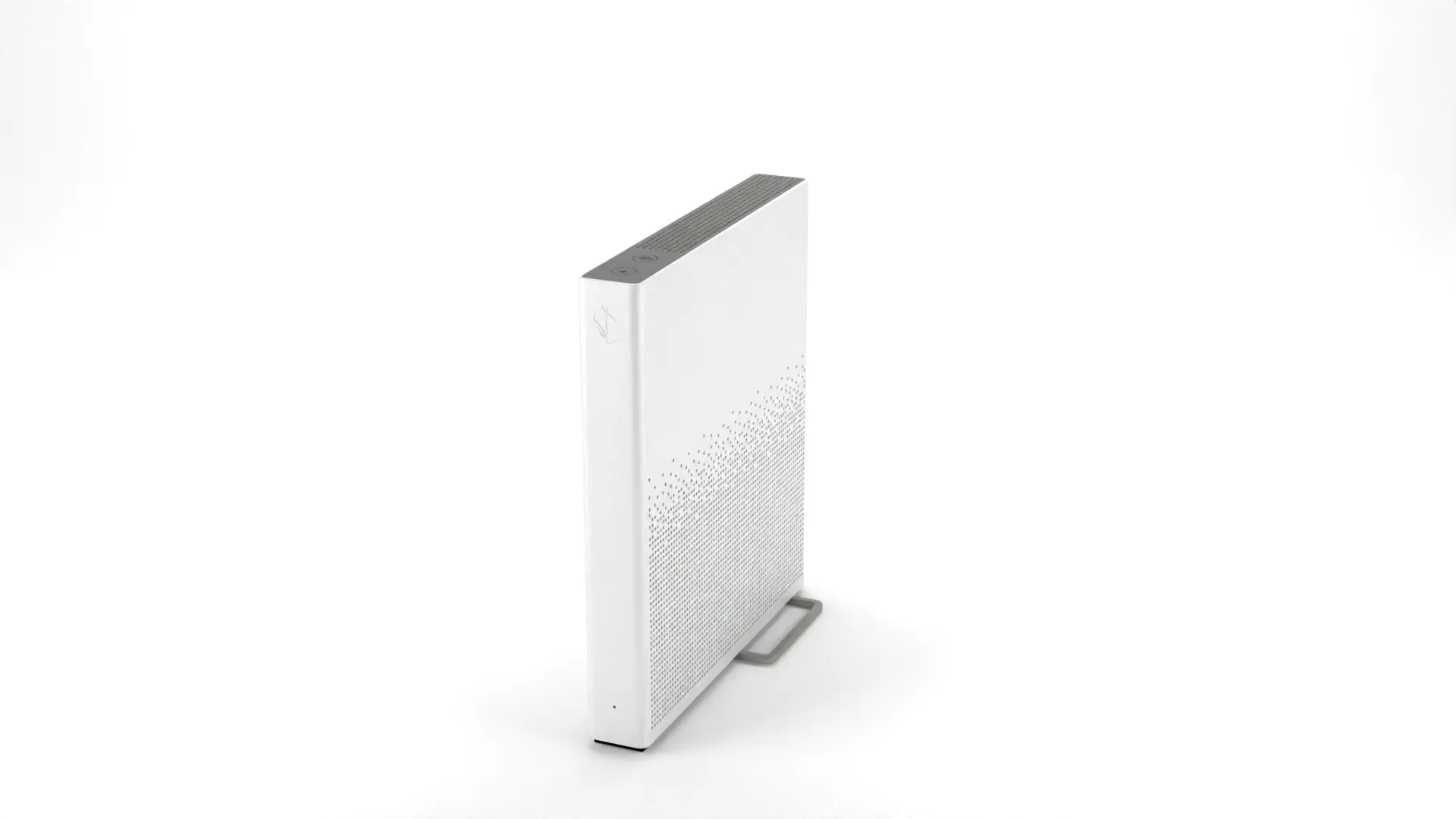
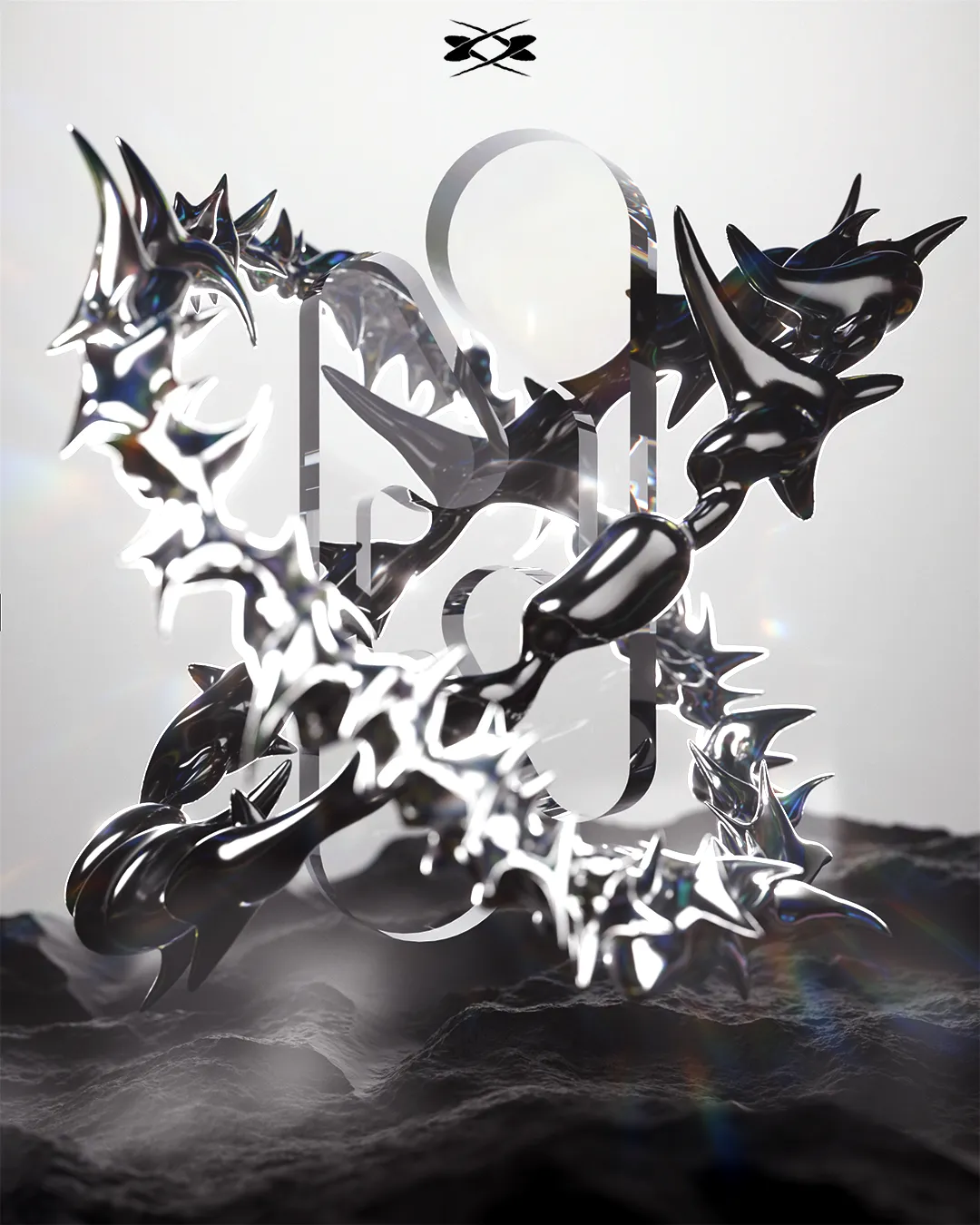
My design philosophy is rooted in Tactile Appeal. I’ve found that the most engaging 3D work makes the user want to reach out and touch the screen. For a FinTech brand, this means 3D that communicates “security” through heavy, metallic textures; for MedTech, it’s using “transparency” and light to signal biological precision.
Open-Source Power
My process is built on Open-Source Power (Blender) and Professional Grade Color (DaVinci Resolve). I don’t just “hit render.” I hand-sculpt light paths and utilize custom shaders to ensure that every loop is optimized for the web. This allows me to deliver a “Retina-level” 3D experience without the loading times typically associated with high-end motion.
Chapter 03
Visual Stories
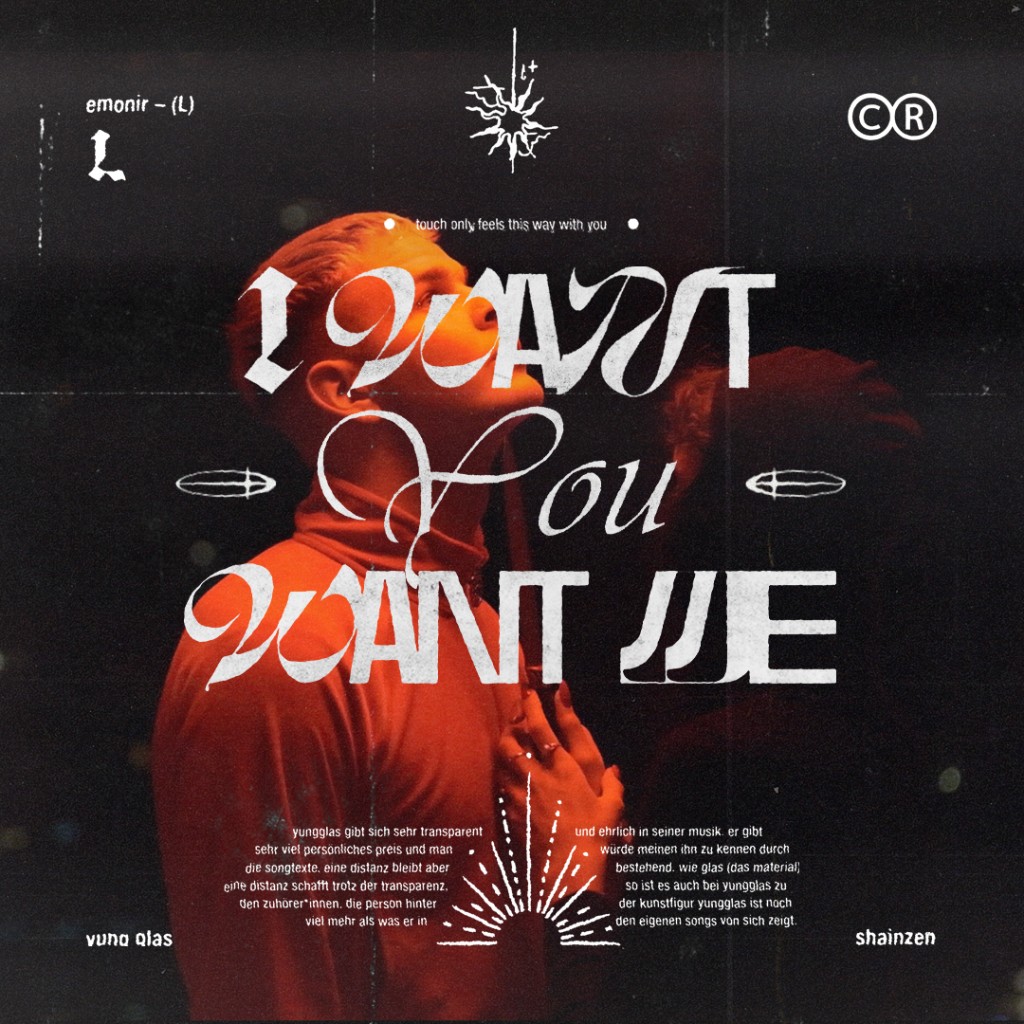
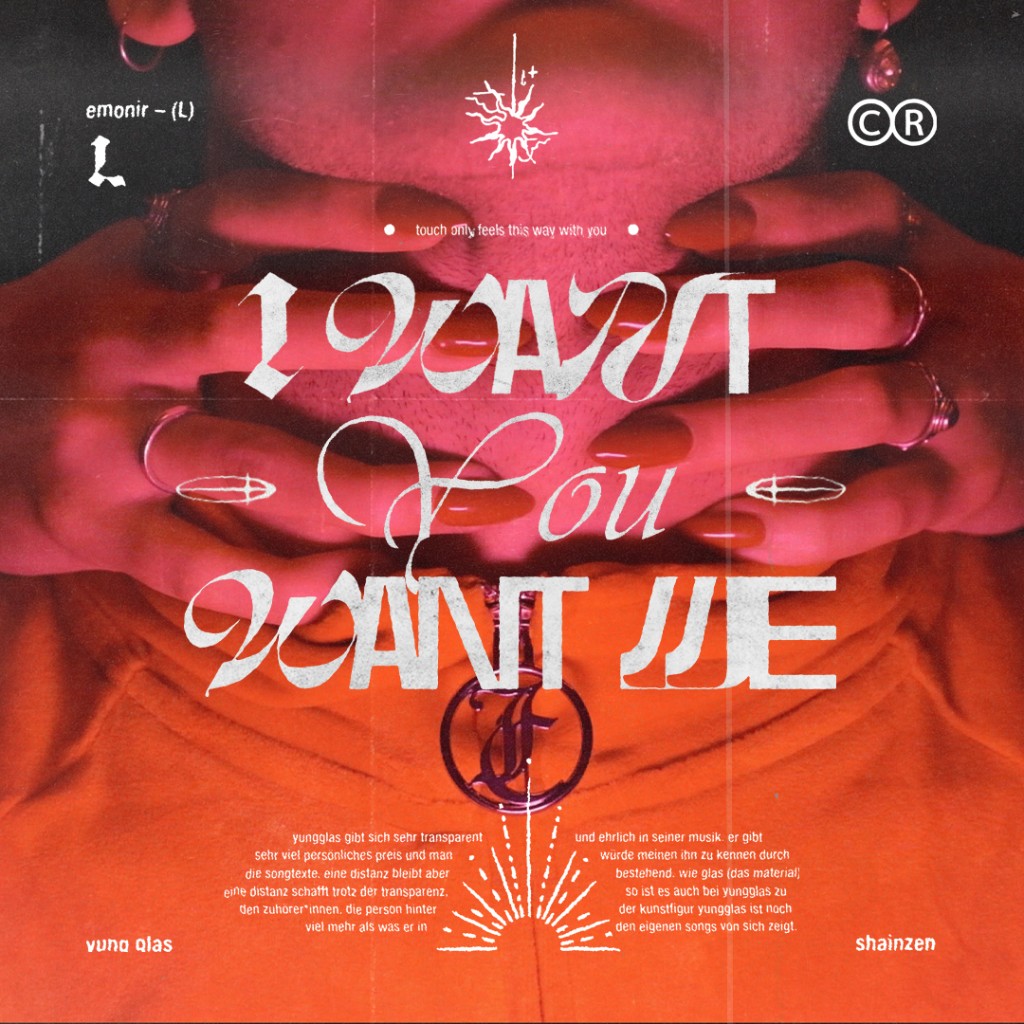
The “Learning by Doing” Era. Alongside 3D R&D, my work was fueled by the raw, chaotic energy of the Bern creative scene — graphics, on-set work, and music videos for artists including yung glas.
The Intuition Phase
This was a time of pure experimentation where the goal was simply to create something that felt alive, regardless of whether I knew the technical “rules” yet.
My first collaboration with yung glas was a baptism by fire. I found myself holding a Sony FX6—a high-end cinema camera—with absolutely no idea of the power or complexity I had in my hands.
“I was capturing cinematic visuals by pure instinct. It was the ultimate ‘fake it ‘til you make it’ moment. Looking back, the mistakes were plenty—most notably a complete lack of colorspace management that nearly broke the final grades—but the energy we captured was irreplaceable.”
Chaotic Energy & Professional Pivot
The Lunaria Festival: Filming the aftermovie was a masterclass in adapting to the moment. It was a steep learning curve navigated through the haze of a festival atmosphere—handling a gimbal in the middle of a crowd while leaning into that “chaotic Bern energy”.
The Turning Point: Joining the Swisscom filmteam was where “Chaos” met “Structure.” I finally learned the technical “why” behind the “how”—properly operating the equipment I had previously only used by instinct.
That experience bridged raw passion projects and the precise, modular craft I apply to 3D for the web today. You can only truly break the rules once you understand the system that governs them.
Lunaria Festival
Aftermovie
i hou
yung glas
ude
yung glas
möli
yung glas & Bugel H
Visual Gallery
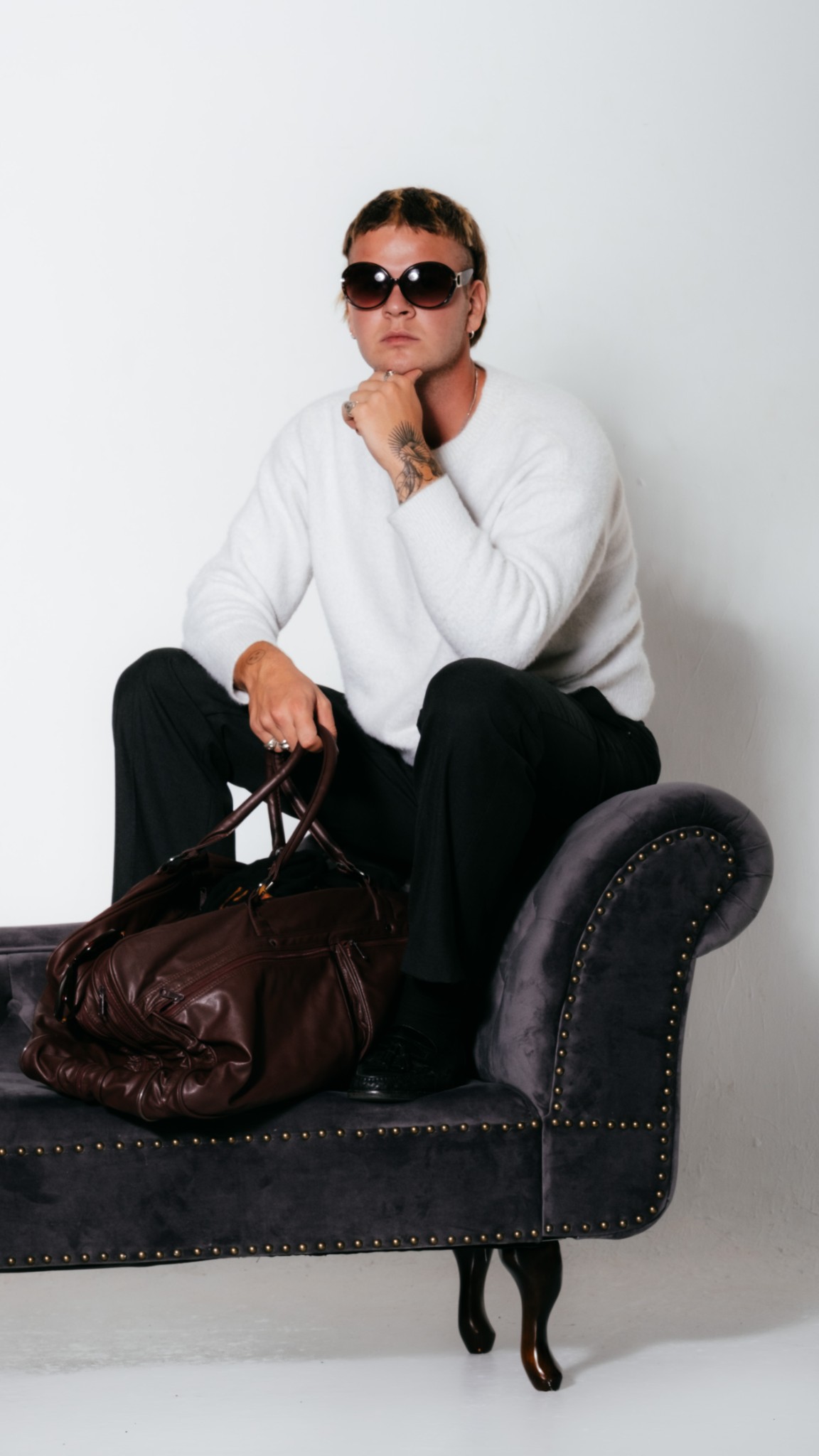
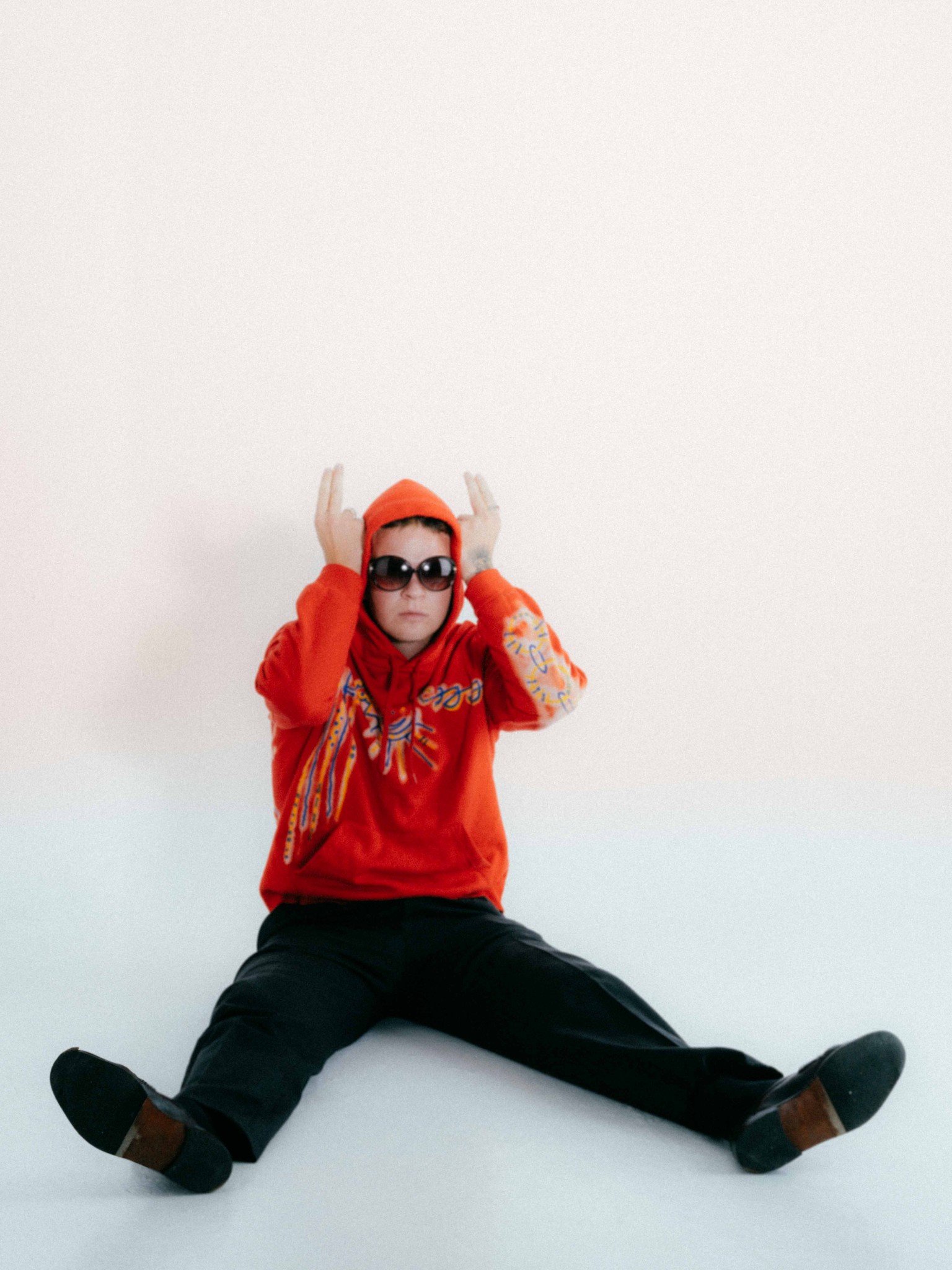
Art Direction • Photography • 2023
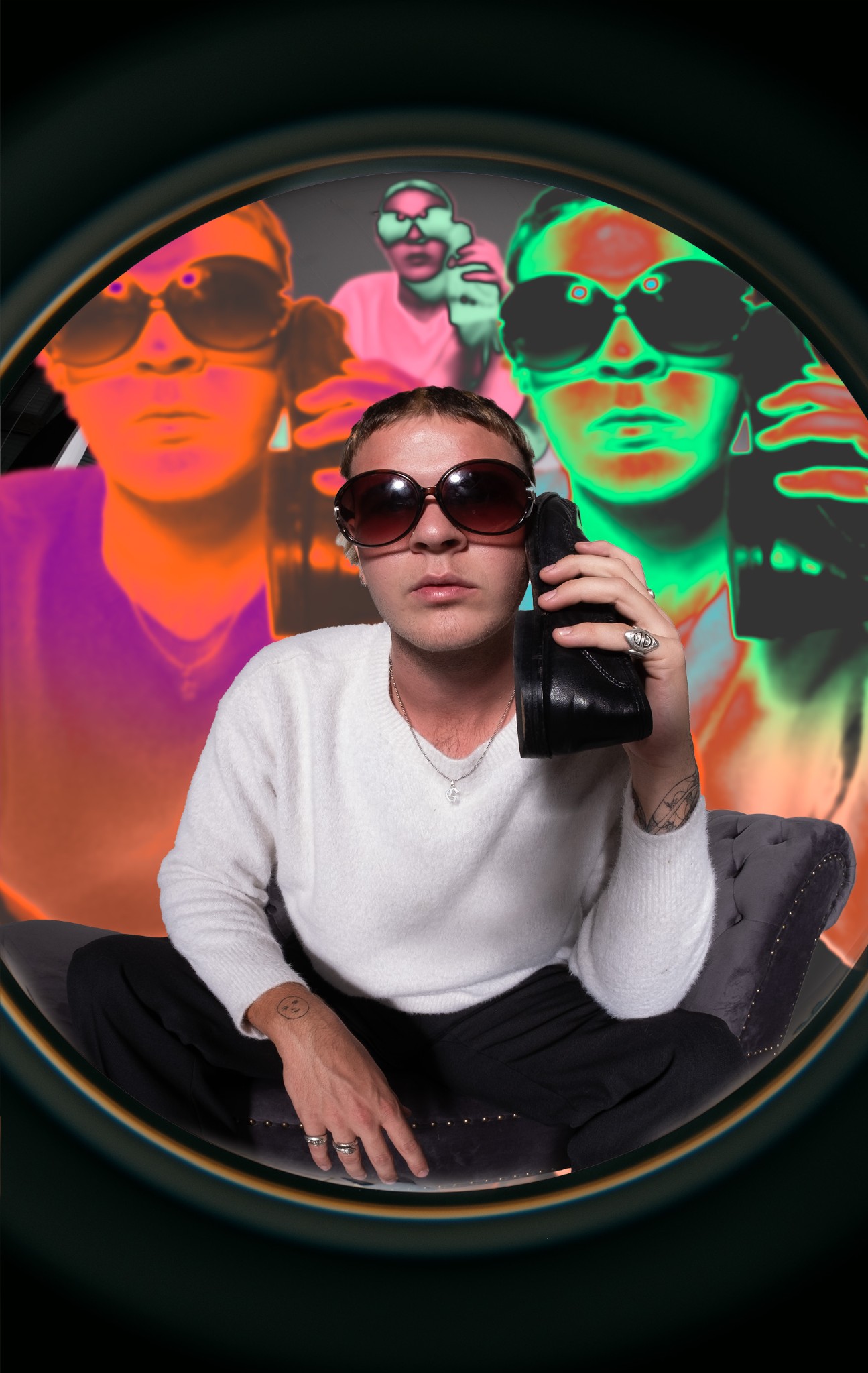
These frames from the yung glas shoots represent the moment my style shifted toward the "quietly powerful" and "cinematic" aesthetic that defines my work today. It was here I realized that even the most experimental visual needs a rock-solid technical foundation to truly land.

Motion
Archive
My latest reel marks a new chapter—swapping to DaVinci Resolve and embracing the steep learning curve. Follow my journey as I push my technical boundaries.
The Results
Eight years of R&D in 3D and motion — from web-optimised loops to on-set music video and still work with Bern-based artists — without treating performance as an afterthought.
- What shipped
A curated archive of product loops, material studies, motion experiments, and released music-video / festival work — all tied to the same craft standards as client 3D.
- What improved
A repeatable pipeline (Blender → optimized web formats → Three.js / R3F) that treats performance budgets as a creative constraint, not a post-production cleanup step.
- What I learned
Optimization is a creative tool. The brands that adopt 3D successfully are the ones willing to design for the constraint, not around it.
Next Project